
Crawl Space Encapsulation in Anaheim, CA
Professional Crawl Space Encapsulation in Anaheim, CA in Anaheim, CA — Licensed, Insured & Locally Owned
Need crawl space encapsulation in Anaheim, CA? Climate Guard offers expert sealing, vapor barriers & moisture control. Call 858-927-1082 for a free estimate.
Crawl space encapsulation is the process of sealing your home’s crawl space with heavy-duty vapor barriers, insulation, and moisture control systems to prevent humidity, mold, pests, and structural damage from infiltrating your living spaces. In Anaheim, CA, where the inland climate delivers warm, dry summers alongside periods of elevated humidity driven by the Santa Ana winds and marine layer intrusions from nearby coastal zones, an exposed crawl space can quickly become a liability.
At Climate Guard Attic Insulation, we specialize in professional crawl space encapsulation solutions designed specifically for Southern California homes. Anaheim’s diverse housing stock — from mid-century ranch homes in the Anaheim Colony Historic District to newer construction near the Platinum Triangle — presents unique crawl space challenges. Our team understands local soil conditions, building codes, and climate patterns that affect crawl space health. If you’re searching for trusted crawl space encapsulation in Anaheim, CA, call us today at 858-927-1082 for a free assessment.
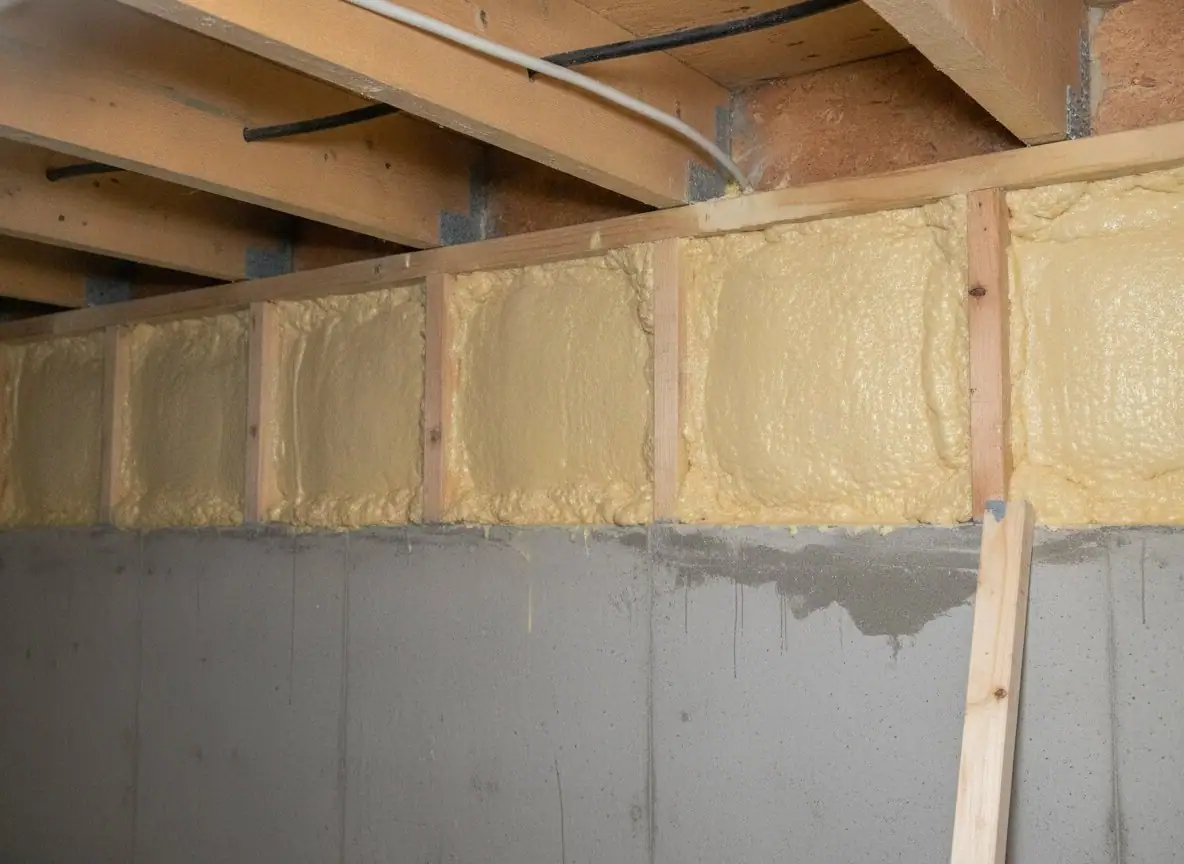
Understanding Crawl Space Encapsulation
Crawl space encapsulation is a comprehensive moisture management strategy that goes far beyond simply laying a thin plastic sheet on a dirt floor. A fully encapsulated crawl space involves sealing the floor and walls with a reinforced vapor barrier — typically 12 to 20 mils thick — along with sealing all vents, installing a dehumidifier, and sometimes adding a sump pump system to address standing water. The goal is to transform what is traditionally an open, vented, and vulnerable space into a conditioned environment that contributes positively to your home’s overall energy efficiency and air quality.
Historically, building codes in California and across the United States required crawl spaces to be ventilated — allowing outside air to flow underneath homes with the idea that cross-ventilation would remove moisture. This approach made sense in dry climates, but research over the past three decades has demonstrated that in many regions, including parts of Southern California, vented crawl spaces actually draw in more moisture than they expel. When warm, humid outside air enters a cooler crawl space environment, it condenses on surfaces, leading to wood rot, mold growth, and pest infestations.
In Anaheim specifically, homes built between the 1940s and 1980s — which make up a substantial portion of the residential housing stock — were constructed under the old vented crawl space standards. These homes in neighborhoods like West Anaheim and the Anaheim Hills area were never designed with modern moisture science in mind. Today, the California Energy Code (Title 24) and local building standards increasingly support sealed, conditioned crawl spaces as the preferred approach for energy efficiency and indoor air quality.
Crawl space encapsulation is closely related to broader insulation services. In fact, many homeowners combine encapsulation with crawl space insulation upgrades and attic insulation improvements for a whole-home thermal efficiency solution. A properly encapsulated and insulated crawl space can reduce heating and cooling costs by 10% to 25%, a meaningful savings given Anaheim’s warm climate and year-round use of air conditioning systems.
Why Crawl Space Encapsulation Is Needed in Anaheim, CA
Climate Conditions Unique to Anaheim
Anaheim experiences a semi-arid Mediterranean climate with average summer temperatures regularly reaching 90°F to 95°F and an annual average rainfall of approximately 14 inches — most of which falls between November and March. However, it is the in-between seasons that create the greatest crawl space risk. During late summer and fall, the infamous Santa Ana winds push hot, dry air from the inland deserts westward, causing rapid temperature fluctuations. When these wind events subside and coastal marine layer moves back in — as it did dramatically during the October 2003 and November 2018 wind events that affected all of Orange County — humidity levels spike rapidly, and moisture-laden air finds its way into unprotected crawl spaces.
Additionally, Anaheim sits atop expansive soils — a classification by the California Geological Survey that describes soils with high clay content that swell when wet and shrink when dry. The soils beneath many neighborhoods, including sections of East Anaheim and areas adjacent to the Santa Ana River corridor, have a plasticity index above 20, meaning seasonal moisture changes cause significant ground movement. This repeated expansion and contraction can crack foundation walls and vents, creating new pathways for moisture to enter crawl spaces even in homes that were previously well-maintained.
Local Rainfall and Groundwater Events
The wet season of 2022–2023 — one of Anaheim’s wettest in recorded history, with the area receiving over 22 inches of rainfall between October and April — caused widespread crawl space flooding and moisture damage across neighborhoods including Anaheim Colony, Platinum Triangle, and West Anaheim. Homes that had never experienced crawl space water intrusion suddenly faced standing water, mold, and structural wood moisture content exceeding 25% — well above the 19% threshold at which wood rot becomes active.
The Role of Regional Humidity and HVAC Systems
In Anaheim’s hotter months, homeowners run central air conditioning systems extensively. When these systems are housed in or duct through an open crawl space, unconditioned outside air — sometimes carrying relative humidity levels of 60% to 75% during marine layer mornings — continuously infiltrates the space. Over time, this causes condensation on cold ductwork surfaces, accelerated mold growth on floor joists, and significantly reduced HVAC efficiency. Neighborhoods closer to the 91 Freeway corridor, including parts of Anaheim Hills, experience particularly dramatic temperature swings between day and night, amplifying this condensation risk.
Pest Pressure
Orange County, including Anaheim, is classified as a high-risk zone for subterranean termites — specifically Reticulitermes hesperus, the Western subterranean termite. Moist, unencapsulated crawl spaces provide the exact soil-to-wood contact and humidity levels that these termites require. Encapsulation directly reduces pest pressure by eliminating the moisture environment they depend on, complementing dedicated rodent proofing services.
Free, no-obligation estimates
Talk to Climate Guard Attic Insulation
Tell us what you need and we’ll take it from there.
Signs You Need Crawl Space Encapsulation in Anaheim
Moisture and Mold Indicators
- Musty or earthy odors inside your home, particularly near floors or in lower-level rooms
- Visible mold or dark staining on floor joists, subfloor, or concrete foundation walls
- Condensation or water stains on ductwork running through the crawl space
- Standing water or persistently damp soil visible during crawl space inspection
Structural and Energy Warning Signs
- Soft, spongy, or bouncy floors that indicate wood rot in the subfloor
- Noticeably higher energy bills during summer months despite consistent AC use
- Cold floors in winter or uneven room temperatures throughout the home
- Cracked or damaged foundation vents — common in Anaheim homes after Santa Ana wind events
Pest and Air Quality Symptoms
- Evidence of rodent nesting, droppings, or damaged insulation in the crawl space
- Increased allergy or respiratory symptoms among household members
- Visible termite mud tubes on foundation walls or floor joists
Urgency Note: If you observe standing water, active mold colonies, or wood with visible decay, contact Climate Guard Attic Insulation at 858-927-1082 immediately. Delayed action can result in structural repair costs that far exceed encapsulation investment.
Crawl Space Encapsulation Methods and Approaches
Full Encapsulation with Conditioned Air
The gold standard method involves sealing the crawl space completely and connecting it to the home’s HVAC system or installing a dedicated dehumidifier. This approach is ideal for Anaheim homes with existing moisture problems, homes near the Santa Ana River floodplain, or properties with expansive clay soils that cause frequent ground moisture fluctuations. This method achieves the lowest long-term humidity levels and provides the greatest energy savings.
Vapor Barrier-Only Installation
For Anaheim homes with minimal existing moisture issues and solid foundation vents, a high-grade vapor barrier installation alone — without full vent sealing — may be an appropriate entry-level solution. This method is most common in newer construction in the Anaheim Hills area built after 2000, where drainage is better managed and soil movement is less severe.
Spray Foam Wall Insulation with Encapsulation
Combining spray foam insulation on the crawl space walls with a vapor barrier floor system creates an exceptionally airtight and thermally efficient crawl space. This method is particularly effective in older Anaheim homes with block foundation walls that have multiple small gaps and cracks — common in homes built in the 1950s and 1960s in the Anaheim Colony neighborhood.
Drainage and Sump System Integration
For Anaheim homes in areas prone to periodic flooding — particularly west of Harbor Boulevard and near low-lying sections of the city — encapsulation is combined with interior French drains and a sump pump system to actively remove any water that enters despite the vapor barrier.
Crawl Space Encapsulation Cost in Anaheim, CA
Understanding crawl space encapsulation costs in Anaheim helps homeowners plan and budget appropriately. While every project is unique, the following ranges reflect current market conditions in Orange County.
Typical Cost Ranges
- Basic vapor barrier installation only: $1,500 – $3,500 for a typical Anaheim single-family home (1,000–1,500 sq ft crawl space)
- Standard full encapsulation (vapor barrier + vent sealing + dehumidifier): $4,000 – $8,000
- Premium full encapsulation with spray foam insulation and drainage system: $8,000 – $15,000+
Key Cost Factors
- Crawl space square footage: Larger homes in Anaheim Hills with over 2,000 sq ft of crawl space will cost more than smaller bungalows in West Anaheim.
- Crawl space height and accessibility: Very low-clearance crawl spaces (under 18 inches) common in some mid-century Anaheim homes require more labor time.
- Existing damage: Mold remediation, structural wood repair, or pest damage cleanup adds $500 – $3,000 to the baseline encapsulation cost.
- Dehumidifier specification: Crawl space dehumidifiers suitable for Southern California humidity levels range from $800 – $2,500 installed.
Read moreShow less
Anaheim-Specific Pricing Notes
Labor costs in Orange County are generally 15% to 20% higher than the national average due to local wages and permitting requirements. However, California utility rebates and potential homeowner’s insurance discounts for encapsulated crawl spaces can offset initial investment. Call 858-927-1082 for a free, no-obligation estimate tailored to your specific Anaheim property.
Anaheim Neighborhoods We Serve
Anaheim Colony Historic District
One of Anaheim’s oldest neighborhoods, with homes dating from the early 1900s through the 1940s. These craftsman bungalows and Spanish Colonial Revival homes have original vented crawl spaces that are highly susceptible to moisture accumulation and termite damage. Many have undergone multiple renovations but never had crawl spaces properly addressed.
West Anaheim
Primarily built in the 1950s and 1960s, West Anaheim’s ranch-style homes sit on slab-on-grade or shallow crawl space foundations with minimal clearance. Homes here frequently experienced water intrusion during the 2022–2023 rain season and have higher-than-average rates of subfloor mold issues.
Anaheim Hills
Developed largely between the 1970s and 1990s, Anaheim Hills homes are built on hillside terrain with expansive clay soils classified as Sorrento clay loam. Ground movement here is significant, and crawl space vapor barriers frequently crack or shift. These larger homes also have substantial crawl space square footage, making proper encapsulation critical to whole-home comfort.
Platinum Triangle
A newer mixed-use development area near Angel Stadium, the Platinum Triangle includes some single-family homes and townhomes built after 2005. While newer construction is better sealed, rapid urban density changes have altered local drainage patterns, increasing moisture risk in this area.
Crawl Space Maintenance Tips for Anaheim Homeowners
- Inspect annually after rainy season: Schedule a crawl space check each April after Anaheim’s November–March wet season to catch any moisture or barrier damage early.
- Monitor dehumidifier performance: Check your crawl space dehumidifier’s drain line and settings every 3–6 months. During Anaheim’s marine layer months (June Gloom), increase dehumidifier run time if needed.
- Keep exterior grading sloped away from foundation: Ensure the soil around your Anaheim home’s foundation slopes at least 6 inches over 10 feet away from the structure to direct rainwater away from the crawl space.
- Clean gutters and downspouts every fall: With Anaheim’s eucalyptus and palm trees shedding debris, clogged gutters overflow and deposit water directly against foundations.
- Check sealed vents for damage after Santa Ana wind events: High-velocity Santa Ana winds can dislodge vent covers or damage vent seals; inspect after any significant wind event.
- Inspect vapor barrier for tears or displacement: Annually, or after any pest activity, visually inspect the vapor barrier for punctures, tears, or areas that have pulled away from walls.
- Schedule professional re-inspections every 3–5 years: Anaheim’s expansive soils cause ongoing foundation micro-movement. Professional inspections catch developing issues before they escalate.
Why Choose Climate Guard Attic Insulation for Crawl Space Encapsulation in Anaheim
At Climate Guard Attic Insulation, we are dedicated to providing Anaheim homeowners with expert crawl space encapsulation solutions that address the real, local conditions unique to Orange County. Our team has direct experience with the soil types, building eras, and climate patterns that define crawl space risk in Anaheim — from the expansive Sorrento clay soils of Anaheim Hills to the aging foundations of the Anaheim Colony District.
We offer comprehensive home performance services that extend beyond crawl space work, including attic insulation, blown-in insulation, insulation removal, and rodent proofing — giving homeowners a single, trusted contractor for all their insulation and moisture control needs.
Read moreShow less
Our encapsulation installations use only commercial-grade materials rated for Southern California’s specific humidity and temperature cycles. We take pride in transparent pricing, detailed written proposals, and honest assessments — no upselling work that isn’t needed. To speak with an Anaheim crawl space specialist, call us now at 858-927-1082 or request a free inspection online.
FAQ
Frequently Asked Questions About Crawl Space Encapsulation in Anaheim, CA
How much does crawl space encapsulation cost in Anaheim, CA?
In Anaheim, crawl space encapsulation typically costs between $4,000 and $8,000 for a standard full encapsulation project, including vapor barrier installation, vent sealing, and a dehumidifier. Smaller projects with vapor barrier only may start around $1,500, while larger homes or those with significant existing damage can exceed $15,000. Orange County labor rates are approximately 15–20% above national averages, which is reflected in these ranges.
How long does crawl space encapsulation take?
Most Anaheim crawl space encapsulation projects are completed in 1 to 3 days. Smaller homes with straightforward conditions can be finished in a single day, while larger properties or those requiring mold remediation, structural repairs, or drainage system installation may take up to three full days.
Is crawl space encapsulation required by California building code?
California’s Title 24 Energy Code increasingly supports sealed, conditioned crawl spaces as best practice for energy efficiency, and many Anaheim building departments require permits for significant crawl space work. While full encapsulation is not universally mandated in existing homes, it is strongly recommended given Anaheim’s clay soils and climate conditions. Our team navigates all local permitting requirements on your behalf.
Will encapsulation prevent termites in my Anaheim home?
Crawl space encapsulation significantly reduces the moisture conditions that subterranean termites — particularly the Western subterranean termite common throughout Anaheim and Orange County — require to establish colonies. While encapsulation is not a substitute for professional termite treatment, it is one of the most effective long-term preventive measures available when combined with rodent proofing and routine pest inspections.
How do I know if my Anaheim crawl space needs encapsulation or just a vapor barrier?
If your crawl space has standing water, active mold growth, wood moisture content above 19%, or significant pest activity, full encapsulation with vent sealing and a dehumidifier is strongly recommended. If moisture levels are borderline and the space is otherwise healthy, a high-quality vapor barrier may be a suitable starting point. Our free inspection includes moisture measurements to give you an objective recommendation.
Can crawl space encapsulation lower my energy bills in Anaheim?
Yes. Anaheim homeowners with encapsulated crawl spaces typically report 10% to 25% reductions in heating and cooling costs. Because Anaheim residents rely heavily on air conditioning from May through October — with average summer electricity bills that can exceed $200–$300 per month for larger homes — the energy savings from encapsulation combined with proper insulation can provide a meaningful return on investment within 3 to 7 years.
What happens to the existing vents in my crawl space after encapsulation?
During full encapsulation, we seal all existing foundation vents with rigid foam board insulation and apply spray foam around the perimeter to create an airtight seal. This converts the crawl space from a vented to an unvented, conditioned space. A dehumidifier then manages interior moisture levels. This approach aligns with current California Energy Code recommendations and eliminates the primary entry point for outdoor humidity.
Does Climate Guard Attic Insulation serve all parts of Anaheim?
Yes. We serve all Anaheim neighborhoods including Anaheim Hills, West Anaheim, Anaheim Colony, Platinum Triangle, East Anaheim, and surrounding Orange County communities. For crawl space encapsulation service or a free estimate anywhere in Anaheim, call 858-927-1082.
Get Your Free Crawl Space Encapsulation Estimate in Anaheim Today
Don’t let Anaheim’s unique climate conditions, expansive soils, and wet-season moisture risk silently damage your home’s foundation, air quality, and energy efficiency. Climate Guard Attic Insulation is ready to provide a comprehensive crawl space assessment and honest, transparent quote at no cost to you.
Whether you’re dealing with musty odors, spongy floors, visible mold, or simply want to be proactive before the next rainy season, our team brings the local expertise and professional-grade materials your Anaheim home deserves.
Call us now at 858-927-1082 to schedule your free crawl space inspection in Anaheim, CA. You can also explore our related services including attic insulation and crawl space insulation to create a complete home comfort and efficiency solution. We look forward to protecting your home.
Get in touch
Find insulation help near you
Request a free estimate online or give us a call — our team will follow up quickly.
- Call us(858) 927-1082
- Visit1127 N Fountain Way, Anaheim, CA 92806
- HoursMon - Sun 07:00-19:00